|
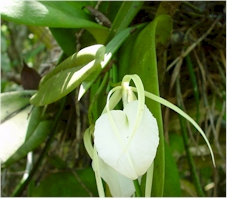
We
photographed this Brassvola
orchid is
growing
in
dappled sunlight along a
riverbank in
Belize.
|
* Most orchids,
other than
high-light
orchids such as
vandas, will
suffer from
leaf burn if
exposed to
direct sunlight
for more than a
few hours. The
leaf
temperatures
heat up causing
irreversible
burn.
* Leaf burn can
also be cause
by moving a
plant that has
been indoors
all winter into
brighter
sunlight
outdoors,
without giving
it a chance to
adapt
gradually.
* Most orchids
can tolerate
more sunlight
if there is a
good air
movement to
keep the leaves
cool. Remember
brighter sunny
weather often
means higher
temperatures.
Good air
movement is
critical.
* Orchids that
need direct
sun, prefer
dappled
sunlight as
they get in
nature. In the
northern
hemisphere,
several hours
of dappled
morning
sunlight during
on all but the
hottest days of
summer should
be fine. Late
afternoon sun,
which is often
combined with
high
temperatures,
should be
avoided.
|
|
The easiest way to tell if
your orchids are getting enough
light is to look at the leaves.
Bluish-green or dark green soft
foliage usually means
insufficient light. At the
other extreme yellow bleached
foliage, or in the case of some
orchids darker reddish mottling
on leaves, can mean too much
light. Note that this is
different from yellowed leaves
caused by lack of fertilizer or
as seen on a generally
unhealthy plant.
In general, aim for
foliage that is a light green
in color. If your plant blooms
well then that means it is
probably getting optimal light.
If your orchid does not bloom
see our tips for getting
your orchids to
flower.
The
type of foliage also give you a
clue as to how much light an
orchid can take. Lower light
orchids often have thinner, or
floppy leaves. Brighter light
orchids have firm harder
foliage, and in some cases such
as the Brassvola pictured
above, leaves are almost
succulent.
It
also helps if you find out what
type of light your orchid needs
before you buy it and be sure
that you have the right
conditions for it. You might
want to see our recommendations
for orchids to grow indoors
on a windowsill
|
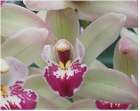
|
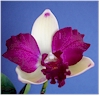
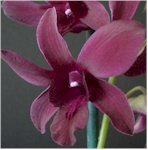
HIGH
LIGHT
ORCHIDS
-like very
bright light
and some direct
sun
e.g.
cymbidiums(pictured),
vandas,
standard
cattleyas,
dendrobium
(phalaenopsis
type)
|
|

|
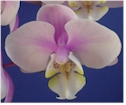
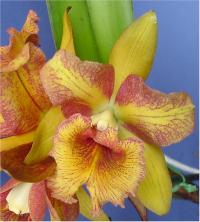
BRIGHT
LIGHT
ORCHIDS
-like bright
light but no
direct
sun
e.g.
oncidinae
intergenerics(pictured),
oncidiums,
miniature
cattleyas,
phalaenopsis,
phragmipediums
|

|
LOW
LIGHT
ORCHIDS
-
like bright
indirect
light
e.g.
mottled-leaved
paphiopedilums,
jewel orchids,
many
angraecoids
|
|